From Driveway to Dockside: Tracing Every Handoff Your Container Makes Between Britain and Singapore
When a family in Didsbury locks the doors of their container for the final time, the paperwork says 'Manchester to Singapore, door-to-door'. It is a deceptively simple phrase. In reality, their household effects will be handled, transferred, stored, and inspected at no fewer than nine distinct points before the same padlock is cut open in Southeast Asia. Each of those points carries a cost, and each cost appears somewhere in the final invoice. This article walks that journey step by step, because the removals industry has historically relied on its customers not asking what happens in between.
Leg One: The Collection and the Origin Depot
The journey begins with a road haulage leg that most clients never think about. A curtain-sided lorry collects the loaded container from the driveway — a service often billed as 'drayage' or 'inland haulage'. The container then travels to a regional consolidation depot, typically in the North West or near Felixstowe if the shipment sails from the east coast.
At the depot, three things happen in quick succession: the container is weighed to confirm it matches the declared manifest, the seal number is recorded against the shipping bill, and a slot is booked on a vessel. If your removals quote mentions 'documentation fees', this is what they cover. Legitimate charges here are modest — anything above £150 for standard paperwork deserves scrutiny.
The Port Terminal: Where Fees Multiply
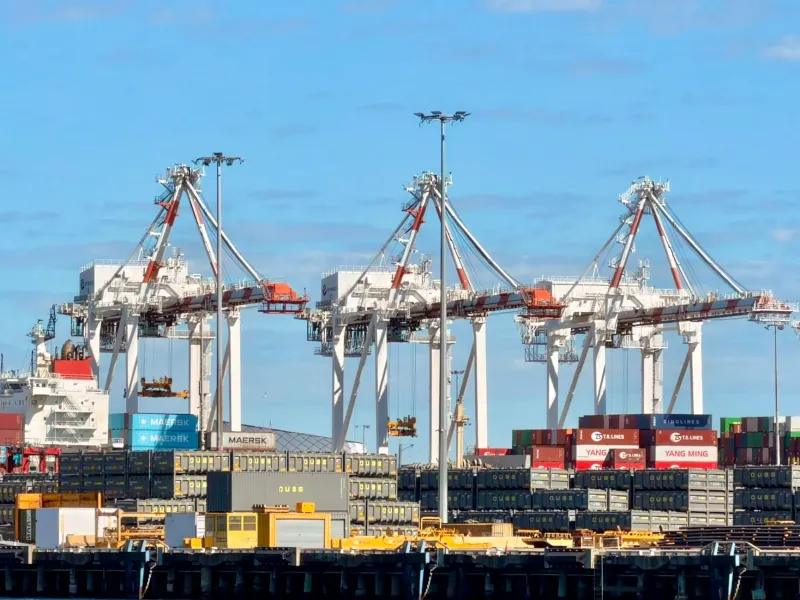
Felixstowe and Southampton are the two principal departure gateways for UK household shipments to Asia, and both operate on a system of terminal handling charges (THCs). These are levied by the port for the physical act of lifting your container onto the vessel, and they are genuine, non-negotiable costs — typically £200 to £350 for a 20-foot unit.
What clients should question is not the THC itself but what surrounds it. Some quotations bundle port security scans, customs clearance at origin, and 'handling' into a single opaque figure. Ask for the breakdown. A reputable operator will itemise the THC, the export clearance (usually under £100), and any scanning fee separately. If they cannot, that is a warning sign worth heeding before you sign anything.
At Sea: The Quiet Fortnight
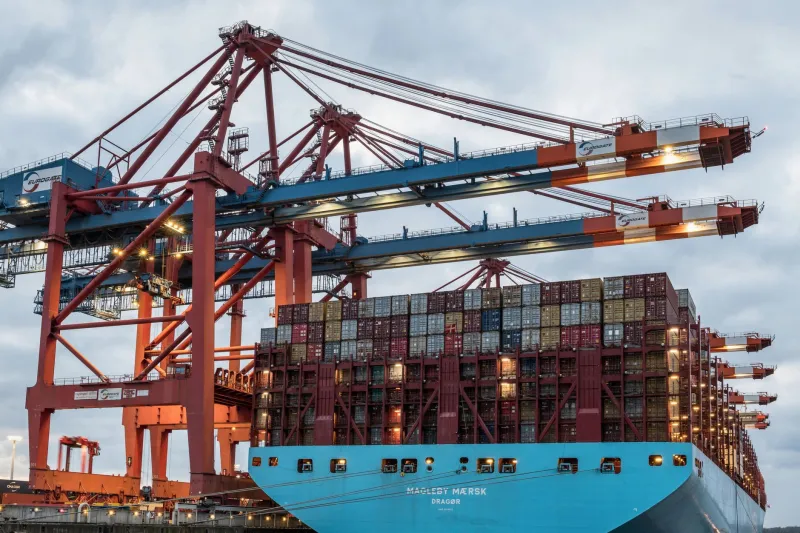
The sailing from the UK to Singapore takes roughly 24 to 30 days on standard routings, often with transhipment at Rotterdam, Dubai, or Port Klang in Malaysia. During this period your container is, mercifully, untouched. However, two costs can still arise mid-journey:
- Bunker adjustment factors (BAF) — fuel surcharges that fluctuate with oil prices. Fixed-price quotes should already include these.
- Currency adjustment factors — applied because freight is priced in US dollars. UK clients paying in sterling should confirm the exchange rate used.
If a quotation is described as 'all-in', both of these must be baked in. If it is described as 'subject to surcharges', they may arrive as a surprise invoice weeks later.
Arrival in Singapore: The Inbound Mirror
Everything that happened at Felixstowe now happens again in reverse. The vessel berths at the Port of Singapore — one of the most efficient container terminals in the world — and your container is discharged, scanned if selected for inspection, and moved to a bonded warehouse pending clearance.
Here the process diverges from the UK in one important respect: Singaporean customs is famously streamlined, but used household effects must still be declared, and the consignee (you) must hold or be applying for the relevant long-term pass. Duties are generally waived for genuine used personal effects, but the clearance filing itself is a billable service — typically handled by a destination agent your UK removals company appoints on your behalf. That appointment is worth understanding, because it means your contract is effectively with two companies, and disputes over damage can become a question of which firm bears responsibility.
The Final Mile — and the Demurrage Trap
The last leg is delivery to your new home, whether that is a condominium in Tampines or a landed property in Bukit Timah. But between the warehouse and your doorstep lies the single most common source of inflated charges in international removals: storage and demurrage.
Demurrage is the fee charged when a container sits in port beyond its free period — usually three to five days. If your visa, housing, or customs paperwork delays clearance, those charges accrue daily and can rapidly outstrip the cost of the entire shipment. The defence is preparation: ensure your entry pass is approved before the vessel arrives, and confirm in writing how many free days your quote includes.
Reading Your Invoice With New Eyes
Armed with the full route, a UK mover can now interrogate every line. Reasonable door-to-door costs from Manchester to Singapore for a 20-foot container typically fall between £3,500 and £5,500, inclusive of THC, clearance, and delivery. Anything materially above that range should come with a detailed justification.
Transparency is not a courtesy the industry extends; it is a standard you are entitled to demand. At International Removals Ltd, we believe the clients who ask what happens between two ports are the clients who pay fair prices — and arrive with their belongings intact.