One Container, Two Destinies: How UK Movers Should Manage the Split Shipment Problem
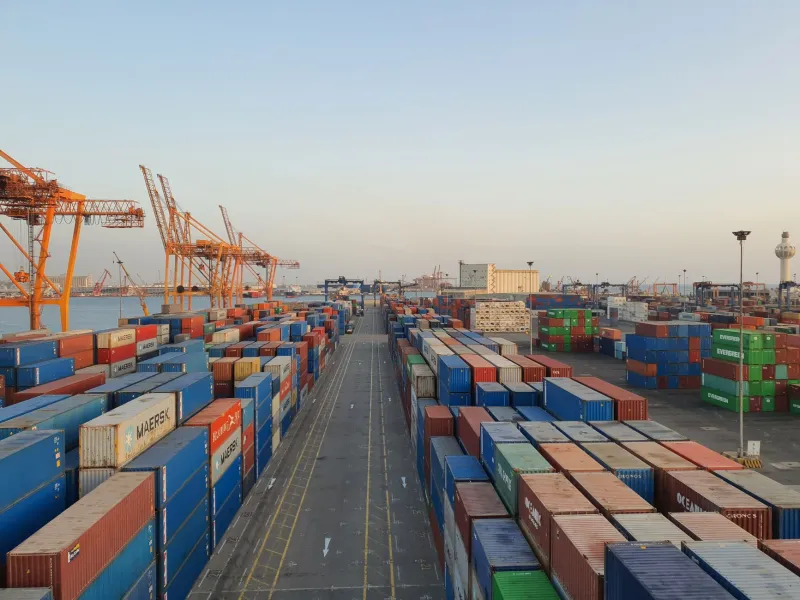
Every international mover eventually meets the scenario they dread: the vessel arrives, the manifest is checked, and part of the consignment simply isn't there. A container held for inspection at Rotterdam. A pallet rerouted after a missed transhipment. Personal effects cleared; the crate of office equipment flagged. The client has moved into their new home or premises, but their life — or at least a substantial portion of it — is sitting in a bonded warehouse several thousand miles away.
Split shipments are among the most disruptive events in international removals, and yet they remain poorly understood by the businesses and families who feel their effects most keenly. At International Removals Ltd, we believe the difference between a manageable delay and a genuine crisis lies almost entirely in preparation — specifically, in how contracts, insurance and timelines are structured before goods ever leave British soil.
Why Consignments Divide in the First Place
Split arrivals rarely stem from a single failure. More often, they are the compound result of ordinary friction in the logistics chain. A missed connection at a transhipment port can leave part of a groupage load on a later vessel. Customs authorities in the destination country may select individual items — rather than whole containers — for examination, releasing everything else while the flagged goods wait. Seasonal congestion, port strikes and documentation discrepancies can each separate a shipment into pieces travelling on different schedules.
The practical consequence is what the industry calls a divided arrival: the client receives, say, seventy per cent of their household on the agreed date, with the remainder arriving days, weeks or occasionally months later. For a family, this might mean sleeping on an airbed while their beds sit in a customs shed. For a business relocating staff, it can mean an employee unable to work productively because essential equipment is stranded — a cost the employer ultimately absorbs.
The Contractual Blind Spot
Most standard removal contracts are written on the assumption of a single delivery event. They specify a transit window, a delivery date and liability terms that apply uniformly to the whole consignment. When goods arrive in fragments, these contracts offer little guidance. Is the mover liable for the delayed portion only? Does the transit window restart? Who covers storage, demurrage and re-delivery charges at the destination port?
UK businesses coordinating relocations should treat these questions as negotiation points, not assumptions. Key provisions worth insisting upon include:
- Per-item transit definitions, so the agreed window applies to each part of the consignment rather than the shipment as a whole.
- Clarity on destination charges, specifying who bears port storage, customs examination fees and re-delivery costs when delay is not the client's fault.
- A communication protocol requiring the mover to notify the client within a defined period — 24 to 48 hours is reasonable — of any split, hold or rerouting.
- Interim provisions, such as a contribution toward replacement essentials, which can transform the client experience during a delay.
None of these clauses are unusual in principle. What is unusual is how rarely clients ask for them.
Insurance: The Cover Most Policies Don't Provide
Marine cargo and removals insurance typically compensates for loss or damage — not inconvenience. If a consignment arrives late but intact, most policies pay nothing, regardless of the financial disruption the delay causes. This is the gap that catches UK relocators unprepared.
Two forms of cover deserve attention. First, delay cover, sometimes available as an extension, which provides a modest daily or lump-sum payment if delivery exceeds a defined threshold. Second, destination storage and re-delivery cover, which addresses the accumulated charges when goods are held at port. Neither is universal, and both should be confirmed in writing before shipment — a verbal assurance from a salesperson provides little comfort when a claim is disputed months later.
It is also worth reviewing the policy's basis of settlement. If a delayed item is eventually declared lost, the valuation basis — new-for-old versus market value — will determine whether the client can genuinely replace what was never delivered.
Structuring Timelines to Absorb the Shock
Sophisticated movers and informed clients can also reduce the likelihood of split arrivals through shipment design. Groupage consignments, where one client's goods share container space with others', are inherently more exposed to division than dedicated (FCL) containers, since the load may be consolidated and deconsolidated multiple times. For consignments where timing genuinely matters — a relocating executive's arrival date, an office opening — a dedicated container, though costlier, materially reduces risk.
Realistic scheduling matters too. A transit window that assumes the best-case port turnaround leaves no margin for a routine customs examination. Building a buffer of one to two weeks into the delivery commitment — and communicating it honestly to the client — costs nothing and prevents the erosion of trust that follows a missed date.
A Pre-Shipment Checklist for Split-Shipment Protection
Before signing any international removal contract, UK businesses and private clients should work through the following:
- Does the contract define transit time per consignment or per item, and which applies here?
- Who pays destination port charges — storage, demurrage, examination fees — if goods are held through no fault of the client?
- What is the mover's notification obligation if the shipment divides or is delayed?
- Does the insurance policy include delay cover, and what is the excess and threshold?
- Is the consignment groupage or a dedicated container, and is the risk profile consistent with the delivery commitment?
- What interim support — replacement essentials allowance, priority re-delivery — is offered for delayed portions?
- Are destination agents identified in writing, with a named contact for delays?
The Wider Lesson
A divided arrival is not necessarily a failure of the removals industry — global logistics is a system built on probabilities, and occasionally those probabilities divide a shipment. The failure lies in pretending the risk doesn't exist. Businesses that negotiate for it, insure against it and plan around it will find that even a half-shipped household need not become a half-delivered relocation. The life that arrives with the boxes should include the paperwork that protects them.